Terrestrial & Atmospheric Hydrology • 2026 Edition

The Comprehensive Research Archive to Rivers, Lakes, Waterfalls & Global Hydrology

Explore over 45,000 words of rigorous hydrological monographs, fluvial geomorphology power laws, lacustrine thermal stratification phenology, and watershed catchment dynamics authored by Lead Hydrological Researcher Dino Powlowski Sr.

Explore 20 Hydrological Treatises ↓ About Archive → Contact Desk →
Explore Categories: 🌊 Rivers 💧 Lakes 🏞️ Waterfalls ⛰️ Watersheds 🔄 Water Cycle

Infiltration Mechanics, Groundwater Recharge, and Subsurface Hydrology: Darcy’s Law and Baseflow Dynamics
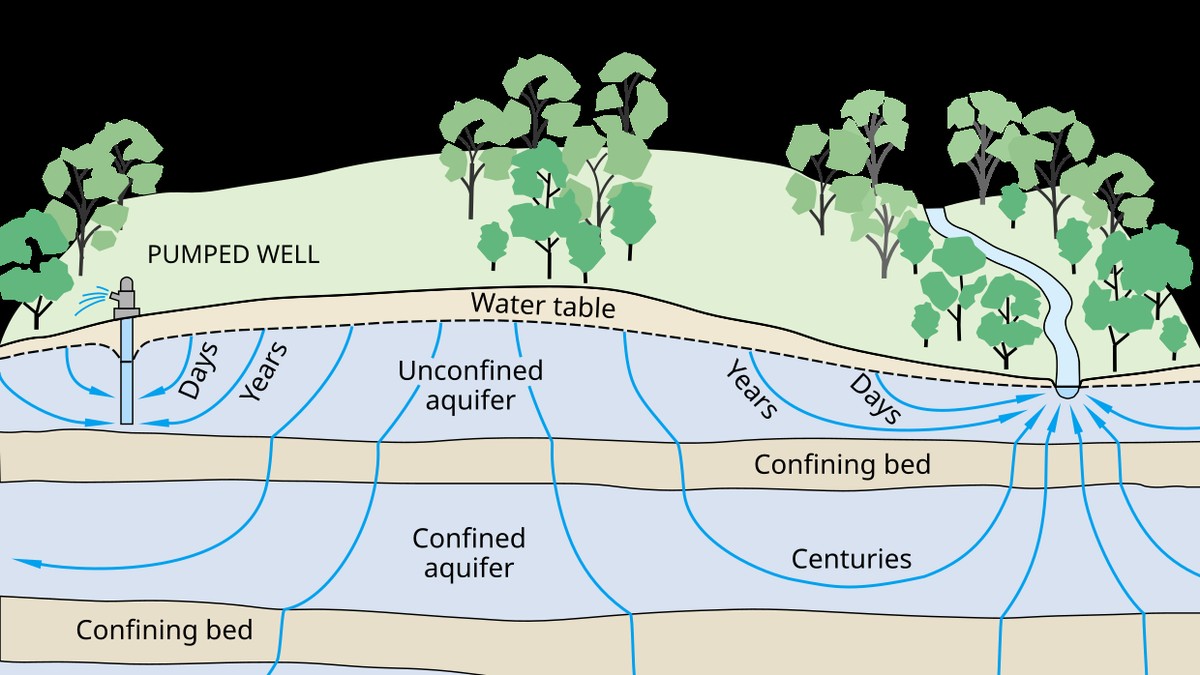
Cross-section diagram of groundwater aquifer strata, water table, and artesian recharge zones

1. The Soil-Water Interface: Infiltration Physics and Unsaturated Zone Mechanics The terrestrial water cycle hinges upon a fundamental physical partition that occurs at the very surface of the Earth: the separation of incoming meteoric precipitation into surface overland flow and subsurface soil infiltration. The capacity of a landscape to absorb water governs flood frequency, agricultural … Read more
Wetland Hydrology, Riparian Buffers, and Floodplain Dynamics: Nutrient Assimilation and Flood Hydrograph Attenuation

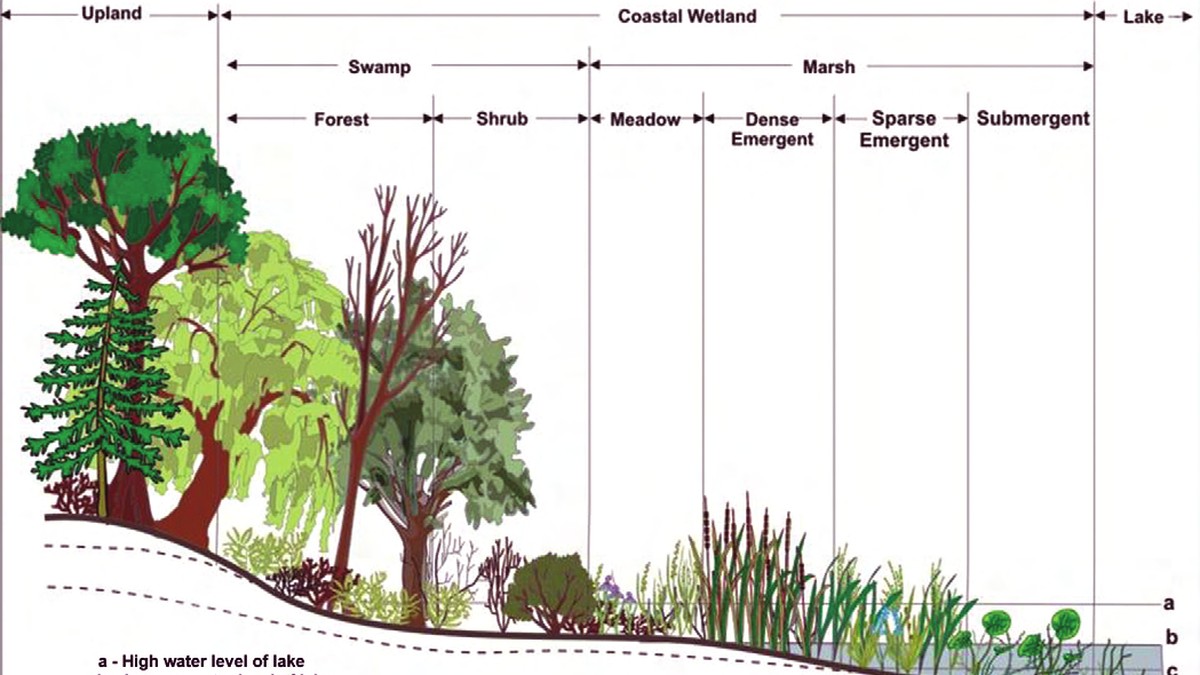
Expansive freshwater wetland marsh with emergent vegetation and shallow meandering channels

1. Wetland Hydrology as the Primary Ecological Driver Wetlands occupy the dynamic ecotone between purely terrestrial and permanently aquatic ecosystems. Far from being marginal wastelands, wetlands are among the most biologically productive, biogeochemically active, and hydrologically indispensable landscapes on planet Earth. The singular, non-negotiable master variable dictating the genesis, physical structure, and ecological persistence of … Read more

Morphological Classification of Waterfalls and Cascades: Plunge, Cataract, Tiered, Horsetail, and Segmented Dynamics

Towering vertical plunge waterfall cascading over sheer rock cliffs into a forested canyon

1. Taxonomy of Vertical Fluvial Descents: Fluid Dynamics and Boundary Conditions Waterfalls exhibit an extraordinary spectrum of physical forms, ranging from towering, free-leaping vertical jets that atomize into aerosol clouds before reaching the ground, to broad, multi-channeled cascades that tumble across complex stepped rock faces. To systematically evaluate and classify this morphological diversity, geomorphologists, hydrologists, … Read more

The World’s Monumental Cataracts: Hydrodynamics, Mist Microclimates, and Fluvial Power of Victoria, Iguazu, and Niagara

Panoramic view of Victoria Falls Mosi-oa-Tunya with massive towering spray mist plume

1. Planetary Fluvial Titans: Comparative Overview and Hydraulic Scales Among the tens of thousands of waterfalls that punctuate the continents, three colossal systems stand peerless in their combined volumetric discharge, geomorphic scale, and global cultural significance: Victoria Falls (Mosi-oa-Tunya) in southern Africa, Iguazu Falls (Cataratas del Iguazú) in South America, and Niagara Falls in North … Read more

Waterfall Gorge Ecology and Spray Zone Microclimates: Bryophyte Specialization, Rheophilic Fauna, and Riparian Microrefugia

Deep sheer-walled river canyon gorge with moist cliff faces and lush microclimate vegetation

1. The Waterfall Spray Zone as an Extreme Ecological Habitat Waterfall gorges represent some of the most ecologically distinctive, physically extreme, and taxonomically specialized terrestrial-aquatic ecotones on the planet. At the interface where high-energy falling water collides with vertical bedrock walls, a permanent, microclimatically unique environmental zone is established: the spray zone (or splash zone). … Read more

Knickpoint Mechanics and Waterfall Geomorphology: Caprock Undermining, Plunge Pool Hydrodynamics, and Headward Retreat

Sharp vertical knickpoint drop in an active riverbed displaying caprock undermining and plunge pool

1. Fluvial Geomorphology of Knickpoints and Longitudinal Stream Profiles In classical geomorphology, an idealized graded river profile exhibits a smooth, concave-upward longitudinal equilibrium form described by Grove Karl Gilbert and later formalized in hydraulic geometry. However, natural fluvial systems frequently deviate from this equilibrium state through the presence of abrupt, sharp vertical or near-vertical steps … Read more

Glacial, Kettle, and Volcanic Caldera Lakes: Geomorphic Formation, Moraine Damming, and Limnological Evolution

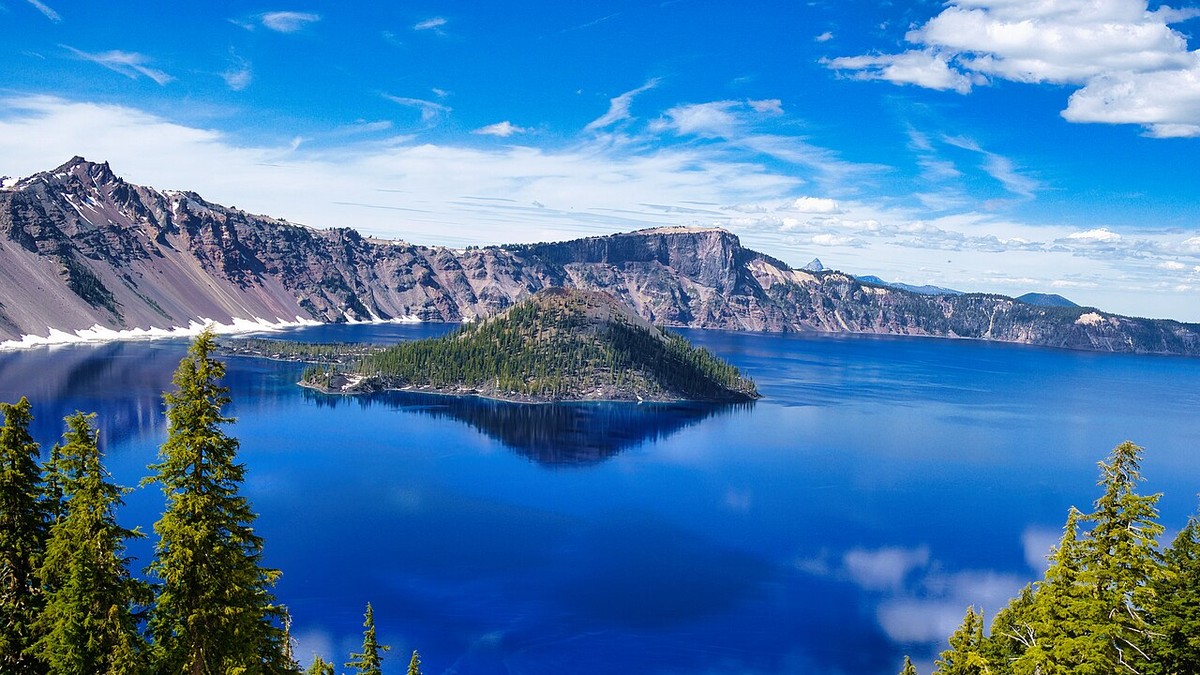
Crater Lake caldera basin displaying intense deep blue volcanic water and Wizard Island

1. Cryospheric Geomorphology and Glacial Basin Genesis Glacial erosion and deposition constitute the single most prolific geomorphic agent responsible for the creation of freshwater lakes on modern Earth. Over 70% of the world’s natural lakes by count—encompassing the vast lake districts of northern North America, Scandinavia, the Scottish Highlands, and Patagonia—were carved or impounded by … Read more

Lacustrine Eutrophication and Biogeochemical Cycling: Phosphorus Fluxes, Harmful Cyanobacterial Blooms, and Lake Remediation

Satellite imagery of an extensive green cyanobacterial algal bloom covering lake surface water

1. Biogeochemical Mechanics of Aquatic Eutrophication and Nutrient Limiting Laws Lacustrine eutrophication—the progressive biological over-enrichment of aquatic ecosystems with chemical nutrients—constitutes the single most pervasive water quality impairment threatening freshwater biodiversity and human water security globally. While natural eutrophication is a slow, millennial-scale developmental succession as lakes mature, cultural eutrophication is an aggressive, accelerated process … Read more

Limnology and Lacustrine Stratification: Thermal Mixing Regimes, Epilimnion Dynamics, and Dissolved Oxygen Profiles

Deep tranquil freshwater lake surrounded by forested shores illustrating thermal stratification

1. Fundamentals of Physical Limnology and Water Density Mechanics Physical limnology investigates the thermodynamic, hydrodynamic, and optical phenomena governing inland water bodies. At the very core of lacustrine physics lies the unique, non-linear thermal density relationship of pure water. Unlike the vast majority of fluids which exhibit a monotonic increase in density with decreasing temperature … Read more

Ancient and Tectonic Lake Basins: Rift Valley Genesis, Paleolimnology, and Endemic Speciation in Lake Baikal and Tanganyika

Lake Baikal in Siberia displaying pristine transparent ice and deep tectonic rift waters

1. Geotectonic Architecture and Structural Evolution of Continental Rifts Tectonic lakes represent the most enduring, structurally imposing, and hydrologically immense inland aquatic systems on Earth. Unlike typical glacial or kettle lakes whose lifespans are ephemeral on geological timescales—rarely enduring longer than 10,000 to 20,000 years before succumbing to clastic siltation or geomorphic drainage—tectonic lakes owe … Read more